



Table of Contents
Chihuahuas tend to act like they run the household, which can make it easy to forget how small and delicate they really are. Behind that enormous personality is a tiny body that comes with a handful of breed-specific health considerations worth understanding. Knowing the common Chihuahua health problems ahead of time helps you spot small changes early and feel calmer when something seems a little off.
The reassuring part is that Chihuahuas are one of the longer-living dog breeds, and many enjoy happy, comfortable lives well into their teens. A bit of awareness goes a long way toward keeping them that way.
Quick answer: Chihuahuas may be prone to several health concerns, including dental disease, luxating patella, tracheal collapse, heart disease, obesity, hypoglycemia, hydrocephalus, and eye problems. Regular veterinary care, weight management, dental routines, safe handling, and early attention to symptoms can help owners support their Chihuahua's long-term health.
| Health Concern | What Owners May Notice | Why It Matters | When to Call a Vet |
|---|---|---|---|
| Dental disease | Bad breath, tartar, red gums, slow or reluctant chewing | Can be painful and may affect overall health | Sore mouth, bleeding gums, or trouble eating |
| Luxating patella | A skip or hop in the step, briefly holding up a back leg | May lead to discomfort or arthritis over time | Frequent limping or a leg held up often |
| Tracheal collapse | Dry, honking cough, especially with excitement or exercise | Can make breathing harder and tends to progress | Persistent cough or any breathing difficulty |
| Heart disease | Coughing, tiring easily, faster resting breathing, fainting | Affects circulation and quality of life | Fainting, labored breathing, or a new cough |
| Obesity | Gradual weight gain, less energy, trouble moving | Strains joints, heart, and airway | At routine visits, or if mobility declines |
| Hypoglycemia | Weakness, wobbliness, glazed eyes, trembling | Energy reserves are limited in tiny dogs | Severe weakness, collapse, or seizures (urgent) |
| Hydrocephalus | Domed skull, soft spot, balance or coordination issues | Affects the brain and can vary in severity | New balance trouble, circling, or seizures |
| Eye problems | Cloudiness, redness, tearing, squinting, pawing at the eye | Some eye issues progress quickly | Sudden change, squinting, or signs of pain |
Why Chihuahua Health Awareness Matters
A six-pound dog experiences the world differently than a sixty-pound one. A change that might seem minor in a larger dog can affect a Chihuahua more quickly, which is why everyday observation matters so much for this breed.
Chihuahua health tends to stay strong when problems get caught early. Many of the conditions below are very manageable, especially when owners notice the first signs and work with a veterinarian on a plan. Understanding what to watch for also takes some of the worry out of tiny-dog ownership, because you start to learn which quirks are simply normal and which ones deserve a closer look. Supporting good Chihuahua health is mostly about steady attention rather than constant worry.
Dental Disease
Dental disease shows up often in small breeds, and Chihuahuas are no exception. Their tiny mouths leave little room for a full set of teeth, which can lead to crowding, plaque buildup, and gum problems over time.
You may notice bad breath, yellow or brown tartar along the gumline, red or swollen gums, or a reluctance to chew. Some Chihuahuas paw at their mouth or eat more slowly when their teeth are sore.
This matters because dental problems can be genuinely painful, and bacteria from an unhealthy mouth may affect other parts of the body. Following veterinary guidance on dental care and brushing your dog’s teeth regularly can help a lot. A vet may also recommend professional cleanings as your Chihuahua ages, since much of the trouble develops below the gumline where brushing alone cannot reach. Keeping the mouth comfortable is one of the simplest ways to protect overall Chihuahua health.
Luxating Patella
A luxating patella is a kneecap that slips out of its normal groove, and it appears frequently in toy breeds. Some Chihuahuas are simply born with a tendency toward it.
One possible sign is a little hop or skip in your dog’s step, often followed by a return to normal walking as if nothing happened. In some dogs you might also see them briefly hold a back leg up or stretch it out behind them.
Mild cases may need only monitoring and weight management. More advanced cases sometimes call for surgery to stabilize the knee. A veterinarian can grade the condition and help you decide on the right approach for your individual dog.
Tracheal Collapse
Tracheal collapse affects the windpipe, which can flatten and make breathing harder. It tends to appear more in small and toy breeds, and it often shows up in middle-aged to senior dogs.
The most recognizable sign is a dry, honking cough that can sound a bit like a goose. Excitement, pressure on the neck, heat, or exercise may trigger an episode.
Switching to a harness instead of a collar can reduce pressure on a sensitive airway, which is one reason many small-dog owners make the change. Our guide to small dog safety products covers a few options worth considering. If your Chihuahua develops a persistent cough or ever struggles to breathe, a veterinary visit is the safest next step.
Heart Disease
Heart conditions, especially degenerative valve disease, can develop in Chihuahuas as they get older. The heart’s valves may weaken over time, which affects how efficiently blood moves through the body.
Signs may include coughing, tiring out faster than usual, quicker breathing while resting, or fainting episodes. These changes can come on gradually, so subtle shifts are easy to overlook.
Many dogs with heart disease live well for years with monitoring and, when it helps, medication. Routine checkups give your vet a chance to listen for early changes such as a heart murmur before any symptoms appear, which is part of why those regular visits matter so much. Catching heart changes early is a meaningful part of long-term Chihuahua health.
Obesity
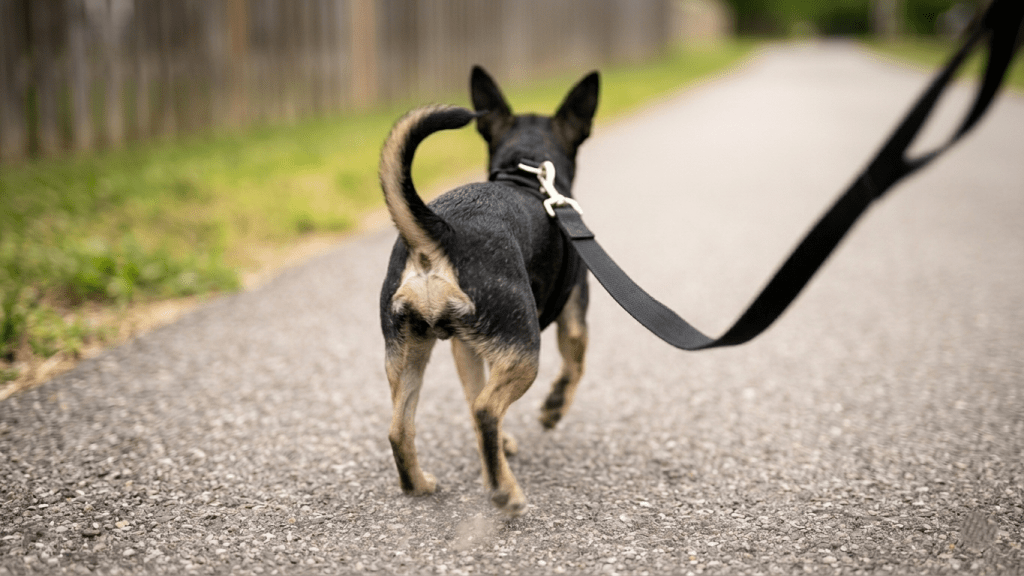
Extra weight is one of the more preventable Chihuahua health problems, and it sneaks up easily on a dog this small. A single ounce carries far more weight, literally, on a five-pound frame than on a large dog.
Carrying too much weight can worsen joint issues and put added strain on the heart and airway. It can also quietly reduce a Chihuahua’s energy and overall comfort.
Measuring meals helps, since a few extra treats add up fast for a tiny dog. Our guide on how much food a Chihuahua should eat walks through realistic portions. A vet can also help you find a healthy target weight and a feeding routine that fits your dog’s age and activity level.
Hypoglycemia
Hypoglycemia, or low blood sugar in toy breeds, can be serious, especially in puppies and very small Chihuahuas. Their bodies hold limited energy reserves, so blood sugar can dip after stress, cold, a skipped meal, or a busy day of play.
Possible signs include weakness, wobbliness, a glazed look, trembling, and in severe cases collapse or seizures. This can turn into an emergency quickly.
Offering regular meals helps many tiny dogs stay steady throughout the day. For the smallest dogs, steady blood sugar is a real cornerstone of Chihuahua health. If you have a very small or young Chihuahua, it may help to ask your veterinarian about keeping a safe sugar source on hand and learning the early warning signs. Seek veterinary care right away if your dog seems unusually weak or unresponsive.
Hydrocephalus
Hydrocephalus involves a buildup of fluid around the brain, and it is seen more often in toy breeds with the rounded “apple head” shape. It is usually present from a young age.
Signs can include an unusually domed skull, a soft spot on the top of the head, balance trouble, circling, or differences in coordination and learning. Severity varies widely from one dog to another.
A veterinarian can assess whether symptoms point to hydrocephalus and talk through management options. Some affected dogs live comfortably with supportive care, depending on how mild or significant the condition turns out to be.
Eye Problems
Those big, expressive Chihuahua eyes are part of the charm, and their size and position can leave them a little more exposed. Eye concerns owners may notice include dryness, cloudiness, excessive tearing, redness, or signs of irritation.
These issues can range from minor irritation to problems that need prompt attention, such as corneal ulcers or pressure changes inside the eye. Squinting, pawing at the eye, or a sudden change in appearance is worth a same-day call to your vet.
Gently keeping the area around the eyes clean and watching for changes helps you catch small problems early, before they become uncomfortable for your dog.
Preventative Care Tips
Most Chihuahua health problems become easier to manage with steady, everyday care. A few simple habits give your dog the best chance at a long, comfortable life, and these everyday routines quietly do most of the work of protecting Chihuahua health.
- Schedule regular checkups. Routine visits let your vet catch early changes in the teeth, heart, knees, and weight. Annual or twice-yearly exams work well for many tiny dogs.
- Keep up a dental routine. Regular brushing and vet-recommended dental care can slow the buildup that leads to gum disease.
- Manage weight thoughtfully. Measured meals and mindful treats protect the joints, heart, and airway over the long run.
- Handle your dog gently. Learning your Chihuahua’s body language helps you notice early discomfort, since tiny dogs sometimes hide pain until it becomes significant.
- Lower everyday stress. A predictable routine supports overall wellbeing, and addressing concerns like separation anxiety can help a nervous Chihuahua feel more secure.
- Set up a safe home. New and rescue owners can find a gentle starting point in our guide to the first 30 days with a rescue Chihuahua.
When to Call a Veterinarian
Tiny dogs can decline faster than larger ones, so it helps to know which signs deserve a prompt call. Edward’s story is a good reminder that small dogs sometimes hide serious trouble behind something that looks minor — you can read what happened when this Chihuahua mix swallowed a foreign object.
Consider contacting a veterinarian if you notice:
- Sudden changes in appetite, energy, or behavior
- Trouble breathing, ongoing coughing, or fainting
- Repeated vomiting, diarrhea, or signs of pain
- Weakness, collapse, wobbliness, or seizures
- Limping that does not resolve or seems to be getting worse
- Eye changes such as cloudiness, redness, or squinting
- Noticeable weight loss or gain
When something feels off, a quick call to your vet or an emergency clinic is always reasonable. You know your Chihuahua’s normal better than anyone, and trusting that instinct often makes all the difference.
This article is for general educational purposes and is not a substitute for veterinary care. Every Chihuahua is different, and these conditions will not affect every dog. For sudden or worrying changes in your Chihuahua’s appetite, breathing, mobility, behavior, energy, weight, or eyes, consider reaching out to a veterinarian or qualified professional.
The Chi Society Takeaway
Chihuahuas pack an enormous amount of heart into a very small frame, and that frame deserves attentive, loving care. Learning the common Chihuahua health problems is really about feeling prepared and noticing the little things early, so the scary moments stay rare. With routine vet visits and a few steady habits, most tiny dogs go on to live long, spirited lives ruling their households exactly as they intended.
Join The Chi Society Pack
Join The Chi Society Pack for free to get Chihuahua stories, tiny-dog tips, rescue updates, product picks, and community questions sent straight to you.
Frequently Asked Questions
Are Chihuahuas generally healthy dogs?
Yes. Chihuahua health tends to be quite good overall, and the breed is among the longer-living dogs, with many reaching their mid-teens. Like any breed, they have a few conditions they may be prone to, which is why awareness and routine vet care help so much.
What are the most common Chihuahua health problems?
The common Chihuahua health problems include dental disease, luxating patella, tracheal collapse, heart disease, obesity, hypoglycemia, hydrocephalus, and eye concerns. Not every Chihuahua will develop these, and many are manageable when caught early.
Why does my Chihuahua cough or make a honking sound?
A dry, honking cough can be one possible sign of tracheal collapse, which is more common in small breeds. Coughing can also relate to the heart or other causes, so it is worth having a veterinarian check any cough that lingers or comes with breathing trouble.
How can I help prevent health problems in my Chihuahua?
Steady habits make the biggest difference: routine checkups, a dental care routine, careful weight management, gentle handling, and a calm home setup. Catching small changes early gives your vet more options and usually means simpler care.
When should I take my Chihuahua to the vet?
Reach out if you notice sudden changes in appetite, energy, or behavior, along with breathing trouble, fainting, repeated vomiting or diarrhea, weakness or collapse, ongoing limping, or eye changes. When something feels off in a dog this small, a prompt call is always reasonable.

