


Table of Contents
For most of their lives, these tiny dogs knew only a crowded room inside a Tennessee house. In late May 2026, 50 of them rode roughly 17 hours south to Boca Raton and got their first real chance at a quiet, ordinary life.
They are part of a large group of Chihuahuas rescued from hoarding conditions in Tennessee, now recovering at Tri-County Animal Rescue in Boca Raton, Florida. The case offers a hard but important look at what tiny dogs go through when they come from neglect, and what they need once they are finally safe.
Quick Facts
- What happened: Chihuahuas and other animals were removed from a Tennessee hoarding case and transported to a Florida rescue.
- When: The first group arrived in Boca Raton on May 21, 2026.
Where: Rescued in Tennessee; now at Tri-County Animal Rescue in Boca Raton, FL. - Who is involved: Tri-County Animal Rescue, with coordination from Animal Rescue Corps in Tennessee.
- How many dogs: About 140 animals were in the home. Roughly 50 arrived first, with around 30 more expected.
- Current status: Receiving medical and behavioral care; adoption applications are open.
- How to help: Adopt, foster, donate, share verified rescue updates, or volunteer.
What Happened in Tennessee
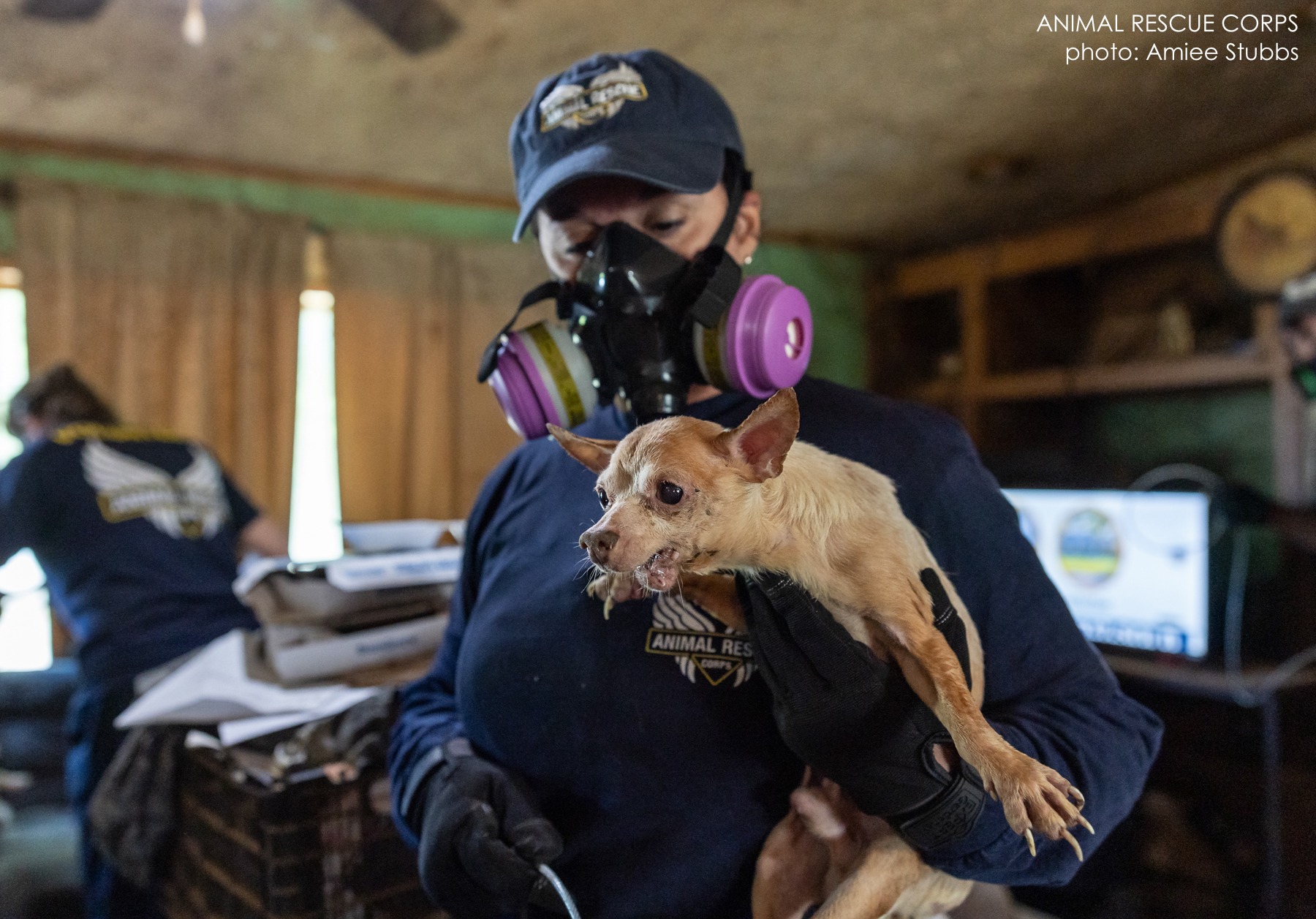
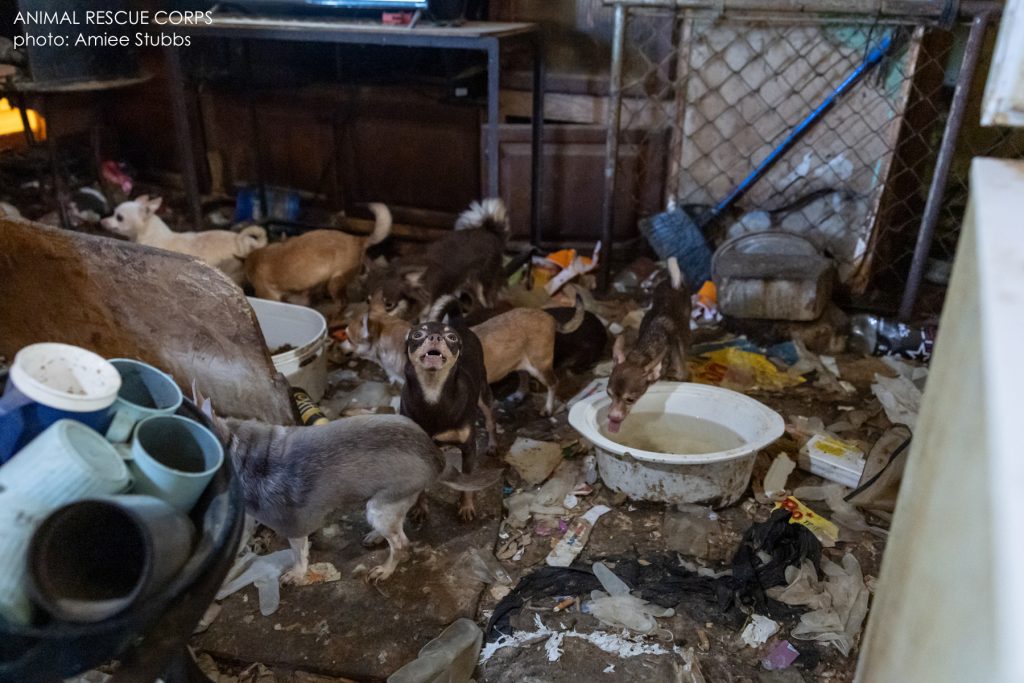
According to local reporting and the rescue itself, around 140 animals were living in a single Tennessee home in conditions responders described as unsafe and unsanitary. Rescue teams reported finding waste piled throughout the house, with close to 40 dogs packed into each room. Many of the dogs had little experience with people and were frightened when help arrived.
Reporting indicated the person who kept the dogs had developed dementia. Hoarding situations frequently grow out of human crisis and untreated mental health struggles, which is part of why these cases are so complicated and so heartbreaking for everyone involved, dogs included.
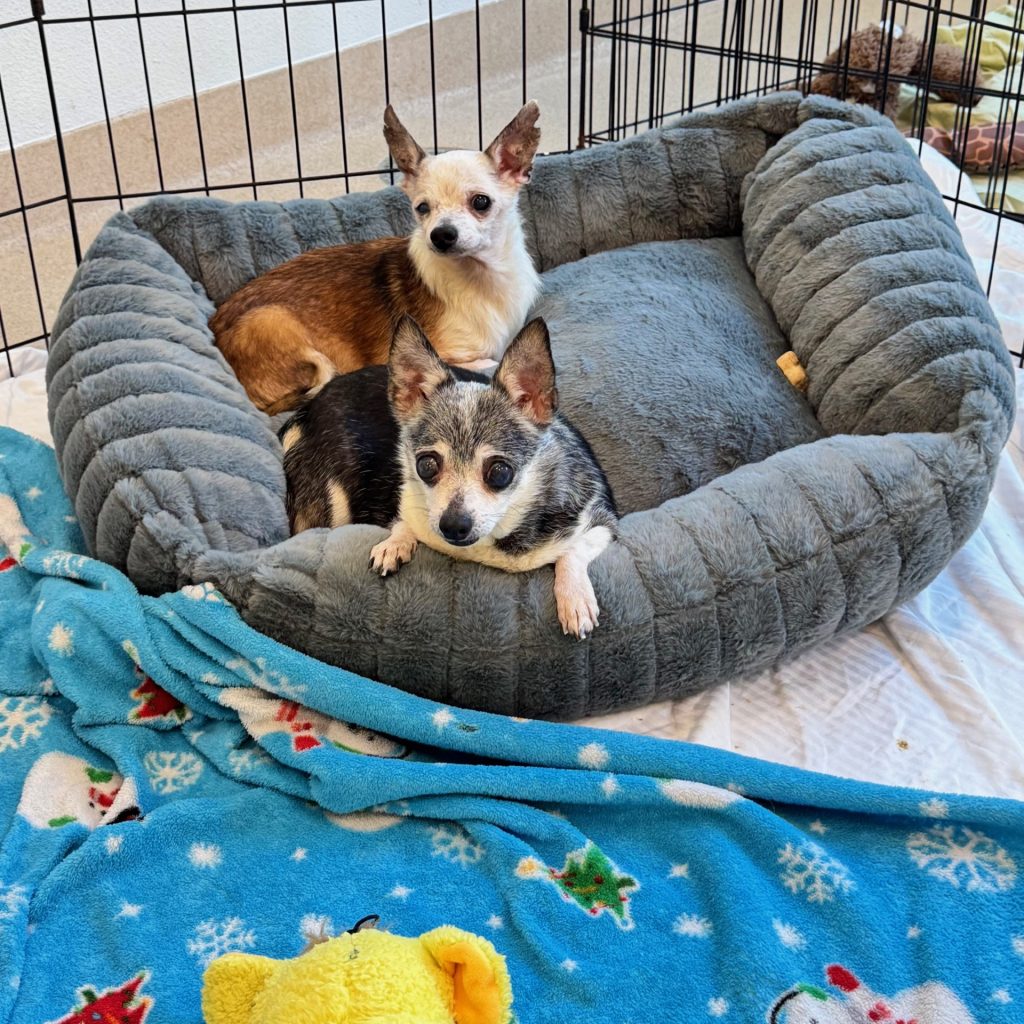
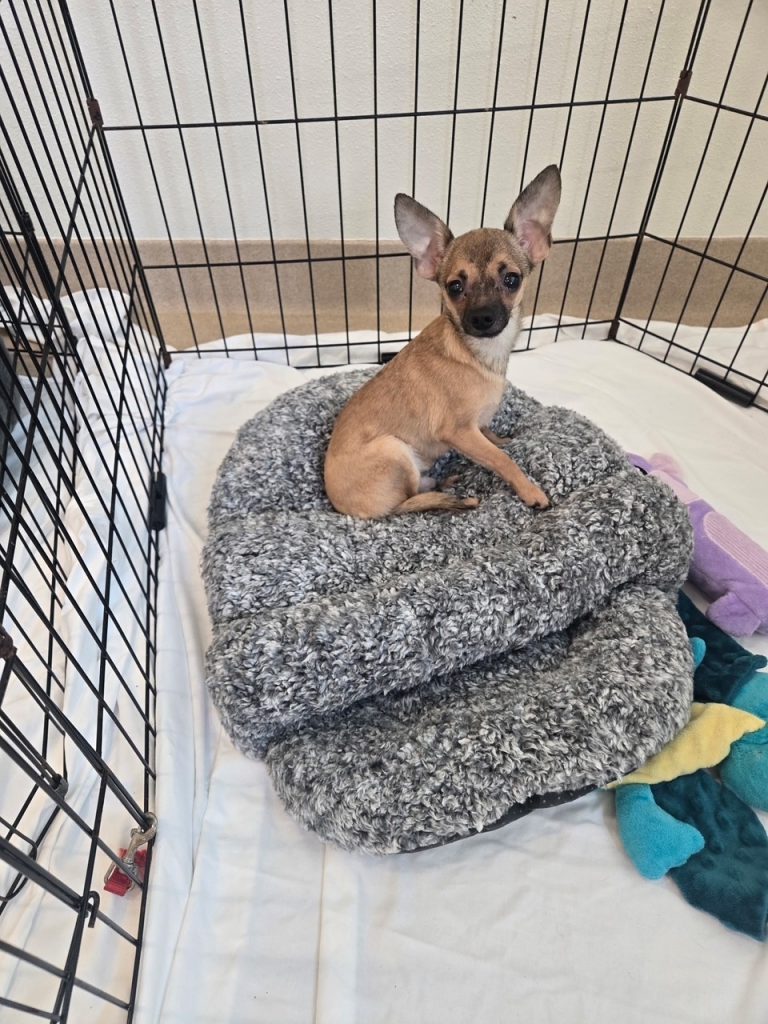
Staff from Tri-County Animal Rescue drove from South Florida to Tennessee to bring the animals home, a round trip that took the better part of two days. The first group of about 50 dogs, mostly Chihuahuas along with a few cats and kittens, arrived in late May. Roughly 30 more were expected to follow. The dogs range from puppies to seniors, and several pregnant moms were among them.
Many arrived with real medical needs: respiratory infections, painful dental disease, eye infections, skin conditions, tumors, and injuries. Several were taken straight to emergency veterinary care. What remains unknown, for now, is how long each dog’s recovery will take and how many will need extended foster support before they are ready for permanent homes.
Why This Story Matters for Chihuahuas
Chihuahuas show up in hoarding and neglect cases far more often than most people realize. Their small size makes them easy to acquire in large numbers, easy to keep hidden, and easy to overlook once a situation spirals. A single room can hold dozens of tiny dogs, which is exactly what responders found here.
There is also a quieter problem. When a frightened Chihuahua freezes, trembles, snaps, or hides, people sometimes read it as attitude. In a dog coming out of a hoarding home, those same behaviors usually point to fear and a nervous system that has never felt safe. Understanding that difference is the heart of why Chihuahuas are so often misunderstood, and it shapes everything about how these survivors should be handled.
What Happens After Chihuahuas Are Rescued From Hoarding
A mass rescue does not end when the dogs reach the shelter. That is really where the work begins. Dogs coming out of situations like this one generally move through a few stages of care.
- Medical stabilization. Veterinary exams, treatment for infections and dental disease, vaccines, and spay or neuter once each dog is healthy enough.
- Decompression. A calm, low-pressure period where the dog can rest, eat, and observe without being handled constantly.
- Gentle socialization. Slow, patient exposure to people, sounds, and normal household life, often with trained volunteers.
- Behavioral evaluation. Time to learn each dog’s personality and needs before matching them with the right home.
For tiny dogs who have never known a quiet home, this process can take weeks or longer. Setting up a calm environment matters enormously, which is why our guide to creating a safe space for dogs with anxiety applies so directly to rescue Chihuahuas. If you are caring for a recently rescued dog and notice ongoing distress, refusal to eat, or signs of pain, it is worth checking in with a veterinarian or qualified behavior professional rather than waiting it out.
What Chihuahua Owners Can Learn
Even if you never adopt from a case like this, the takeaways are practical. Patience does more for a scared rescue dog than affection forced too soon. Hiding under a blanket for the first few days can be a sign of progress, not rejection, and many newly adopted Chihuahuas show clingy or anxious behavior as they settle. Our overview of Chihuahua separation anxiety can help you tell the difference between normal adjustment and something that needs more support.
Stories like this senior foster Chihuahua’s journey and Monkey, the Chihuahua who survived against the odds, show the same pattern again and again: with time and steady, gentle care, dogs from terrible beginnings can become deeply loving companions.
How You Can Help
If you want to support these specific dogs, start with the rescue directly involved. Tri-County Animal Rescue is a no-kill nonprofit, and the most reliable, up-to-date information lives on its official channels. You can learn about adoption, fostering, donations, and volunteering through Tri-County Animal Rescue’s website. Volunteers typically complete a short training course before helping socialize frightened dogs.
More broadly, you can support local small-dog rescues in your own area, share verified rescue posts instead of unconfirmed ones, and consider fostering if your home can offer a quiet landing spot. To understand the bigger picture behind cases like this, the ASPCA’s overview of animal hoarding is a helpful, trustworthy resource. You can also read the original local coverage of this rescue in the Boca Raton Tribune.
The Chi Society Takeaway
Chihuahuas have a reputation for sass, but the little dogs arriving from this case mostly need calm, space, and time. A dog who spent years in a crowded room may take weeks to trust a gentle hand, and that slow, ordinary progress is its own quiet victory. Every tiny survivor who learns that people can be safe is proof of what patient rescue work makes possible.
Join The Chi Society Pack for free to get Chihuahua stories, tiny-dog tips, rescue updates, product picks, and community questions sent straight to you. Join The Chi Society Pack here.
What should I do if I find abandoned or stray Chihuahuas?
Avoid chasing frightened small dogs, since panic can send them into traffic or hiding. Contact local animal control or a nearby rescue, and report the location so trained teams can help safely.
Why do rescued Chihuahuas need decompression time?
Dogs from hoarding or neglect often have never experienced a calm home. A quiet decompression period lets them rest and observe before being handled, which helps lower stress and build trust at their own pace.
Are Chihuahuas common in shelters?
Yes. Their small size, popularity, and tendency to be acquired in large numbers mean Chihuahuas and Chihuahua mixes are among the most frequently surrendered small dogs in many regions.
How can I help a scared rescue Chihuahua feel safe?
Offer a quiet safe space, keep routines predictable, let the dog approach you instead of reaching for them, and reward calm behavior. If anxiety stays severe, consider speaking with a veterinarian or qualified behavior professional.
Should I adopt or foster a rescue Chihuahua first?
Both help. Fostering gives a dog a calm place to recover and frees up shelter space, while adoption offers a permanent home. Choose based on the time and stability you can realistically offer.

