


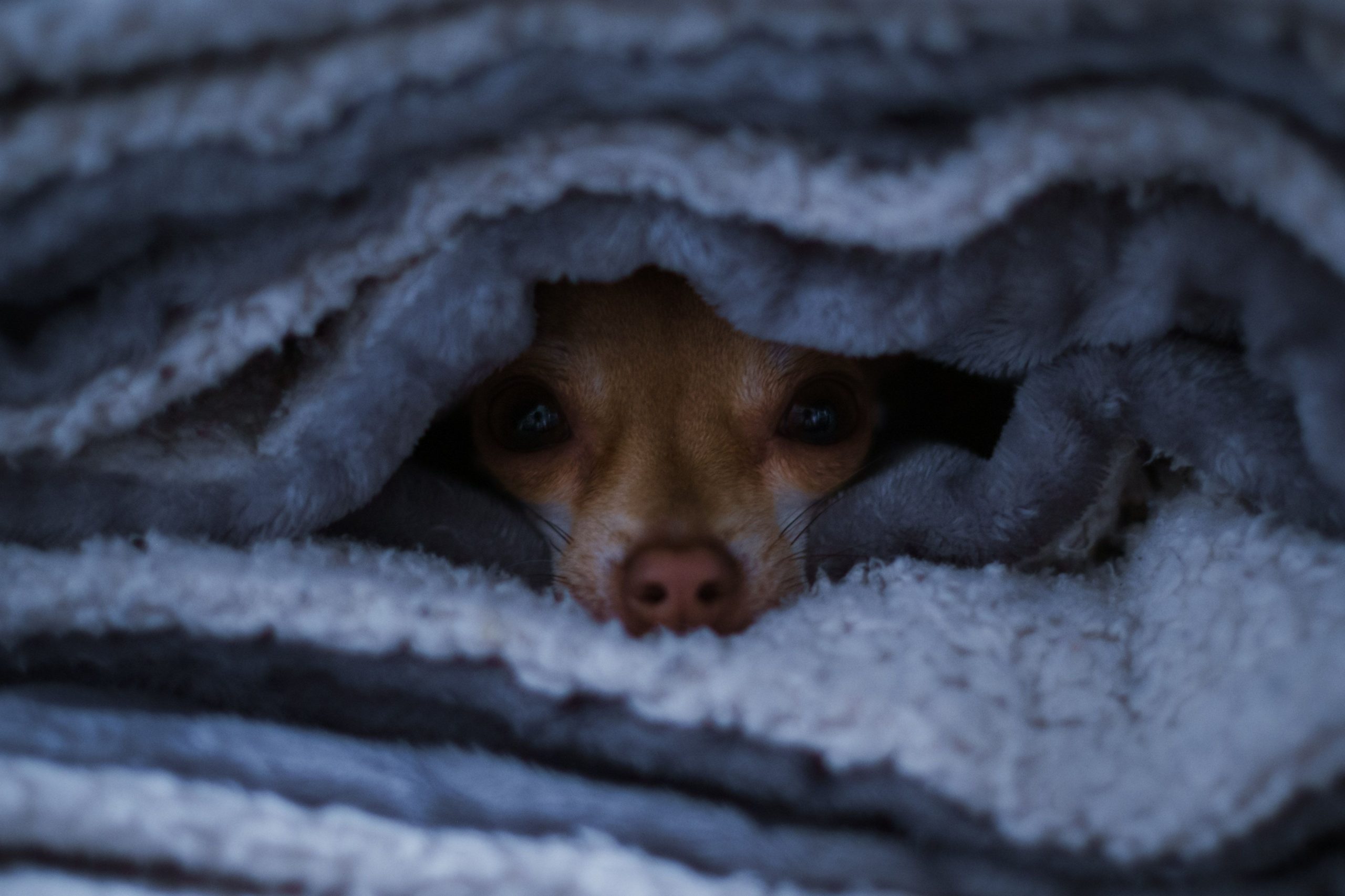
Quick answer: Chihuahuas often burrow under blankets because they are seeking warmth, comfort, security, and a cozy den-like space. For many Chihuahuas, blanket burrowing is normal and harmless. Owners should pay closer attention if the behavior becomes sudden, obsessive, paired with trembling, hiding, appetite changes, aggression, pain signs, or other unusual behavior.
Table of Contents
If you live with a Chihuahua, you have probably watched a small dog vanish into a pile of blankets and reappear an hour later, warm and a little smug about it. Burrowing is one of the most recognizable Chihuahua habits, and it tends to leave owners somewhere between charmed and mildly puzzled. The good news is that this cozy behavior usually makes a lot of sense once you understand what a tiny dog is actually after.
This article walks through why Chihuahuas burrow under blankets, what the habit often means, and the handful of moments when it may be worth a closer look.
Why Chihuahuas Burrow Under Blankets: The Quick Answer
Quick answer: Chihuahuas often burrow under blankets because they are seeking warmth, comfort, security, and a cozy den-like space. For many Chihuahuas, blanket burrowing is normal and harmless. Owners should pay closer attention if the behavior becomes sudden, obsessive, paired with trembling, hiding, appetite changes, aggression, pain signs, or other unusual behavior.
The Blanket-Burrowing Habit Chihuahua Owners Know Well
Plenty of Chihuahua households run on the same quiet routine. A blanket gets left on the couch, and within minutes there is a small lump moving across the cushions with purpose. Some Chihuahuas burrow for naps, some disappear the moment the air conditioning kicks on, and some treat a laundry pile like a personal invitation.
For tiny dogs, the habit tends to be about comfort rather than anything to worry about. Looking at the pattern around it helps you understand what your dog may be telling you.
Reason 1: Natural Denning Instincts
Dogs come from ancestors who rested in sheltered, enclosed spaces, and many modern dogs still carry those den-loving instincts. A blanket fort gives a Chihuahua the same feeling a small den once offered: walls on most sides and a low ceiling that put the open room out of view.
Tunneling in lets a dog create that enclosed space on demand. For a Chihuahua, who spends life much closer to the floor than the humans towering overhead, a soft tunnel can feel like a reasonable place to settle in and switch off.
Reason 2: Warmth Seeking
Chihuahuas lose body heat quickly. They have small bodies, thin coats in many cases, and very little insulating fat, which means they can feel a chill that a larger dog would shrug off. Warmth is one of the most common reasons a Chihuahua burrows, especially in air conditioning, on tile floors, or during cooler months.
A blanket traps the heat a dog gives off and turns it into a warm pocket. If your Chihuahua heads under the covers the moment things cool down, basic temperature comfort is usually the simplest explanation. A well-fitted Chihuahua sweater can take some of the pressure off blanket burrowing for dogs who run cold, and official cold-weather safety guidance is worth a look for tiny breeds that chill fast.
Reason 3: Security and Comfort
Diving under the covers can also be about emotional comfort. A snug space softens sound and dims the light, giving a small dog a spot where the busy human world feels a little more manageable. For a Chihuahua, who often forms a strong bond with one person and notices every change in the house, that retreat can be genuinely soothing.
Many Chihuahuas burrow most when the household gets loud, when guests arrive, or when the day winds down toward sleep. A blanket nest near their favorite person tends to be the gold standard, combining warmth with the reassurance of staying close.
Reason 4: Breed Tendencies and Tiny-Dog Sensitivity

Some breed traits make burrowing especially common in Chihuahuas. Their size leaves them more sensitive to cold, and their alert, observant nature means they often appreciate a quiet place to decompress. A dog who tracks every footstep and doorbell may welcome a soft barrier between themselves and all that input.
This sensitivity is part of what makes Chihuahuas such expressive companions, and it shows up in small habits like burrowing. Learning to read those signals, which you can practice through understanding your Chihuahua’s body language, helps you tell the difference between a dog who is cozy and a dog who is uneasy.
Reason 5: Habit, Routine, and Cozy Reinforcement
Comfort is self-reinforcing. Once a Chihuahua learns that a particular blanket means warmth and quiet, diving into it becomes a dependable part of the daily rhythm. The behavior gets rewarded every single time by the pleasant result, so it sticks.
This is why so many Chihuahuas have a favorite blanket and a chosen corner, often on a fairly reliable schedule. The routine itself becomes comforting, and the habit turns into a small ritual that helps your dog feel settled.
Blanket Burrowing Reason Table
| Reason | What It May Look Like | What Owners Can Do |
|---|---|---|
| Warmth | Burrowing in cool rooms, on tile, or in winter; shivering before diving in | Offer a warm bed, a sweater, or a designated blanket spot |
| Comfort | Settling in to nap; relaxed body; contented sighing | Allow the cozy habit and keep a soft blanket available |
| Security | Burrowing during noise, guests, or busy evenings | Provide a calm retreat and a predictable routine |
| Denning instinct | Tunneling into enclosed spaces by choice, looking relaxed | Offer a covered bed or a safe den-style nook |
| Routine or habit | Burrowing at the same times or in the same favorite blanket | Keep the routine; this is usually a happy pattern |
| Anxiety or stress | Sudden hiding, trembling, reluctance to come out, clinginess | Reduce pressure, watch the pattern, consider professional input |
| Pain or illness (sudden change) | New constant hiding with appetite changes, lethargy, or other symptoms | Contact a veterinarian to rule out a medical cause |
When Blanket Burrowing May Point to Anxiety
For most Chihuahuas, burrowing is a happy, harmless habit. Context is what matters. A dog who burrows for naps and pops out cheerfully is simply enjoying the cozy life. A pattern shift is the part worth noticing.
It may be worth paying closer attention if your Chihuahua suddenly starts hiding under blankets most of the day, avoids people they normally greet, trembles while burrowed, or reacts defensively when approached. These can sometimes overlap with Chihuahua separation anxiety or general stress, and a sudden change is more telling than the burrowing itself. The Merck Veterinary Manual covers signs of anxiety in dogs if you want a reliable reference point.
When burrowing comes with trembling, you may also find it helpful to understand the other reasons a small dog shakes, since cold, excitement, and stress can all look similar from the outside. If the behavior seems connected to fear or worry, a qualified behavior professional may help you sort out what is going on.
Safety Concerns to Keep in Mind
Burrowing is usually safe, and a few simple precautions keep it that way for very small dogs.
- Choose breathable blankets that allow airflow, and skip anything heavy that could trap or weigh down a tiny dog.
- Check blankets, cushions, and laundry piles before sitting or lying down, since a burrowed Chihuahua is easy to miss.
- Keep cords, heating pads, and other warming devices away from blanket nests, and use any pet-safe warming option only with supervision.
- Make sure your dog can always get out of the blanket pile on their own without help.
- Watch senior dogs, young puppies, and very tiny Chihuahuas a little more closely, since they can be more sensitive to heat and restriction.
Reach out to a veterinarian if burrowing shows up alongside pain signs, appetite changes, lethargy, vomiting, coughing, diarrhea, or a sudden shift in behavior. A few small dog safety products can also make a Chihuahua’s favorite cozy corner safer without changing the habit they love.
This article is for general educational purposes and is not a substitute for professional advice. For sudden or worrying changes in your Chihuahua’s behavior, appetite, or comfort, consider reaching out to a veterinarian or qualified behavior professional.
How to Create a Safe Cozy Space
You can lean into a Chihuahua’s love of burrowing by giving them a setup that is comfortable and secure.
- Offer a dedicated blanket or burrow bed. A washable blanket or a burrow-style bed gives your dog a clear, safe place to tunnel.
- Place it near the action. Many Chihuahuas relax best within sight of their favorite person, so a cozy spot near you often gets the most use.
- Add gentle warmth. A soft bed away from drafts, plus a sweater for chilly days, can keep a cold-sensitive dog comfortable.
- Keep it calm and predictable. A consistent routine and a quiet retreat support a relaxed dog, and you can build on this with creating a safe space for dogs with anxiety.
A Real-Life Chihuahua Example
Bodi, the smallest of our pack at around three pounds, is a committed burrower. The second a blanket lands on the couch, he is already engineering a tunnel into the middle of it. For a dog his size, a warm pocket makes obvious sense, and his burrowing almost always means he is content rather than stressed. Watching the pattern, instead of guessing, is what tells us he is simply being a cozy little cave creature.
The Chi Society Takeaway
Chihuahuas are tiny dogs navigating a very large human world, and burrowing is one of the gentle ways they make that world feel safer and warmer. For most cozy little cave creatures, a blanket nest is a sign of contentment. Keep an eye on sudden changes, take a few easy safety steps, and otherwise let your Chihuahua enjoy the burrow they have worked so hard to build.
Join The Chi Society Pack
Join The Chi Society Pack for free to get Chihuahua stories, tiny-dog tips, rescue updates, product picks, and community questions sent straight to you.
Frequently Asked Questions
Is blanket burrowing normal for Chihuahuas?
For most Chihuahuas, yes. Burrowing is a common comfort habit tied to warmth and a feeling of safety, and it is usually nothing to worry about. A sudden change in the pattern is more meaningful than the habit itself.
Why do Chihuahuas like to be covered up so much?
Chihuahuas lose heat quickly and often feel chilly in rooms that seem fine to people. A blanket holds their body heat and creates an enclosed, den-like pocket, which can feel both warm and reassuring to a small dog.
Can blanket burrowing be a sign of anxiety in Chihuahuas?
It can, in some dogs. Burrowing paired with sudden all-day hiding, trembling, avoiding people, appetite changes, or defensive reactions may point to stress or discomfort. If you notice a pattern like that, it may help to speak with a veterinarian or a qualified behavior professional.
Is it safe to let my Chihuahua sleep under the blankets?
It usually is, with a few precautions. Use breathable blankets, skip heavy bedding that could trap a tiny dog, make sure your dog can get out on their own, and always check blankets and laundry piles before sitting or lying down.
When should I call a vet about my Chihuahua’s burrowing?
Reach out to a veterinarian if burrowing shows up with pain signs, appetite changes, lethargy, vomiting, coughing, diarrhea, or any sudden shift in behavior, since the burrowing may be a response to feeling unwell.

